
The only thing that can grow is the thing you give energy to. – Ralph Waldo Emerson
Life is full of challenges that prevent us from maximizing our full potential. No matter what the challenge is, there is only one thing that you can control. Yourself – your attitude and effort. These 5 keys will help you to step back into your power no matter what you’re trying to create, resolve or overcome.
1. Emotional Control

Managing your emotions is the most important skill that you can master in life. Strong emotional arousal happens when your emotions take over. They hijack your thinking brain and kick in the fight or flight response. This is somewhat unavoidable because we all experience strong emotions. The upside is that the more we manage them the easier it becomes.
Managing Emotional Arousal
Managing strong emotions is like riding a wild horse. You can let the horse run the show or we can tame it. You still want the horse to direct the energy. You don’t want to get rid of strong emotions because they serve a purpose. You don’t want to be at the mercy of strong emotions.
Deep diaphragmatic breathing
Breaking away for 20 to 30 minutes for a meditation session is not always possible. Wherever you are and whatever you’re doing we are always breathing. When stressed, angry or worried your breathing tends to become shallow and faster. This activates the sympathetic nervous system, making it hard to respond in a calm manner.
Focus on breathing into your belly and making the out breath longer than the in-breath. This activates the sympathetic nervous system (the rest and digest response). It allows you to think clearly and remain calm in the face of challenges. And you can do it anywhere and anytime.
Mindfulness
This is a relaxed awareness of the present, not worrying about the past or thinking about the future. When you are mindful you are aware of your thoughts and feelings but you avoid judging them as good or bad. You accept them for what they are. The beauty of mindfulness is you can do it regardless of what you are doing. When you read a book, you focus on remaining immersed in that experience. When you wash the dishes, you remain focused on the act of washing the dishes.
2. Mental Pictures
We create mental pictures in our minds of how events will go. This is unavoidable because it helps us plan and see if certain activities are worth our time. It helps us to create a sense of certainty.

Mental Rehearsal
Mental rehearsal is another vital life skill. When you create an image of how you want to perform in a particular situation it creates a blueprint in your mind. This makes it easier for us to follow through on how we want things to be rather than leave it to chance.
- Have a clear idea of how you want to feel or perform in a specific situation
- Visualize yourself performing at your best. Watch yourself from the outside in as if watching yourself on a large screen
- Step into the screen, and into your body. Feel yourself performing well. Engage all your senses, seeing, feeling and hearing how you want to feel.
What’s important is to remember that there are things that we can control and things that we can’t control. Mental rehearsal allows you to focus on what you can control – yourself. Challenges come about when we focus on what we can’t control.
3. Self-Talk

We all have a mental dialogue going on whether we are aware of it or not. How you describe a situation ends up becoming your experience of the situation.
- Use language that is empowering and makes you feel great
- Reframe problems into opportunities and challenges that can be solved
- Drop words/phrases that disempower you out of your vocabulary.
4. Action-Orientation/Mini-goals
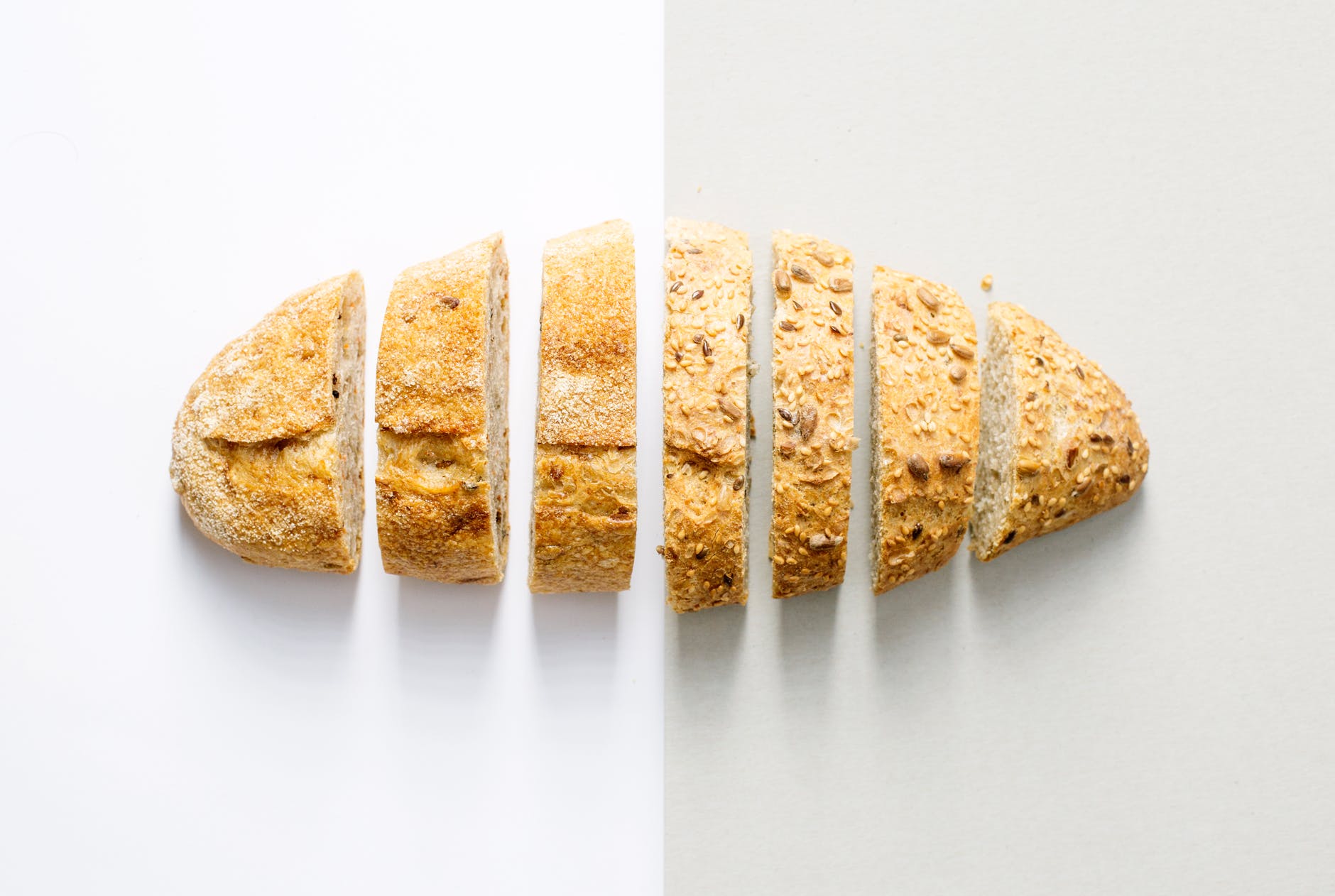
How do you eat an elephant…?
In the midst of challenges or big goals, it can be overwhelming what action we should take or where we should begin. This is where mini-goals come in. They allow us to break our goals down to the most straightforward task and then take action on it. We then repeat this process until the goal is achieved. Some prompts that could help:
- What is the next best action that you can take?
- What is one small thing that you can do?
- What is one task I can accomplish toward achieving my goal?
- Am I being too hard on myself?
- Commit to doing your best for the next 5 minutes
Feeling overwhelmed might be the result of chunking your goal too big. This works best for goals that you are in direct control over and are process-oriented.
5. Physiology

There is a powerful connection between the body and the mind. One tends to lead the other. If we are feeling weak, fearful or doubtful, our body language tends to display those emotions. When you feel grounded or confident your physiology will reflect those feelings. There is a way of hacking this process to our benefit – and it’s to use our bodies in line with how we want to feel. If you want to feel more upbeat, energized and strong, all you have to do is act that way for a few minutes. Your emotions will catch up to what your body is doing.
Stand tall, breathe deep, and act with more energy. You will notice that your mood will pick right up. This might feel a bit awkward but like an actor in a role, it will begin to feel natural.
This isn’t about becoming somebody that you’re not. We all show up differently in different situations – it’s about showing up as the best version of yourself.
 Zen Transformation Coach